
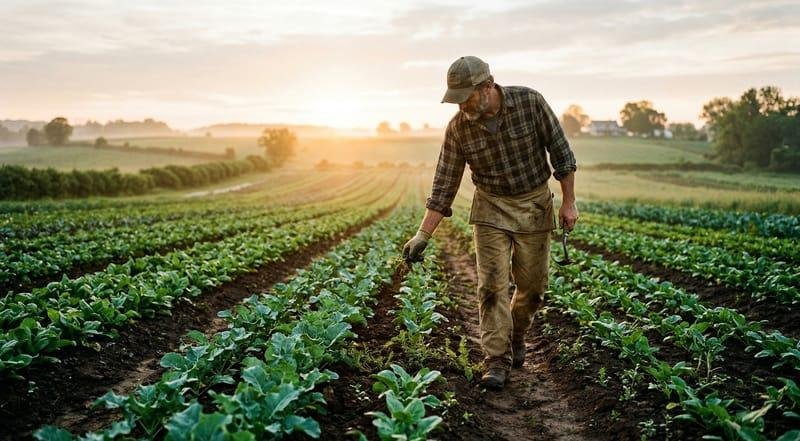
Farm Work in Canada with Visa Sponsorship 2026
Foreign nationals can secure farm work in Canada with visa sponsorship through either the Seasonal Agricultural Worker Program (SAWP) or the General Agricultural Stream under the Temporary Foreign Worker Program (TFWP). Applicants do not need higher education degrees, but they must secure a valid job offer accompanied by a positive Labour Market Impact Assessment (LMIA) to apply for an employer-specific work permit via IRCC.
As Canada balances its immigration system through the 2026–2028 Immigration Levels Plan, agricultural labor remains a critically protected sector exempt from many standard low-wage caps. To keep supply chains moving, Canadian farm operations rely on international workers to bridge domestic staffing gaps. For global applicants, this path offers accessible legal entry, stable wages, and potential routes toward long-term settlement.
What Are the Core Canadian Agricultural Visa Streams?
Foreigners looking for sponsored farm work must understand that Canada routes agricultural visas through two primary, distinct mechanisms under the Temporary Foreign Worker Program (TFWP).
1. The Seasonal Agricultural Worker Program (SAWP)
The SAWP is a highly structured temporary visa framework designed for short-term seasonal farming cycles.
- Nationality Restrictions: SAWP is strictly reserved for citizens of Mexico and participating Caribbean nations. Applicants from other regions (such as India, Kenya, or the Philippines) cannot use this route.
- Placement Limits: Contracts under SAWP allow a maximum placement length of 8 months within a single calendar year, and all work must be completed between January 1 and December 15.
- Scope: Limited explicitly to on-farm primary agriculture (e.g., harvesting fruits, vegetables, or grains). It does not cover secondary industrial tasks like off-farm food processing plants.
2. The General Agricultural Stream (TFWP)
If you are from a country not included in the SAWP, or if you are looking for a year-round position, the General Agricultural Stream is your primary target. This stream allows farms to hire international workers from any country globally, provided they secure an approved Labour Market Impact Assessment (LMIA). Under this stream, employers can request an employment duration of up to 24 months.

What Are the Job Duties and Contract Protections for Farm Workers?
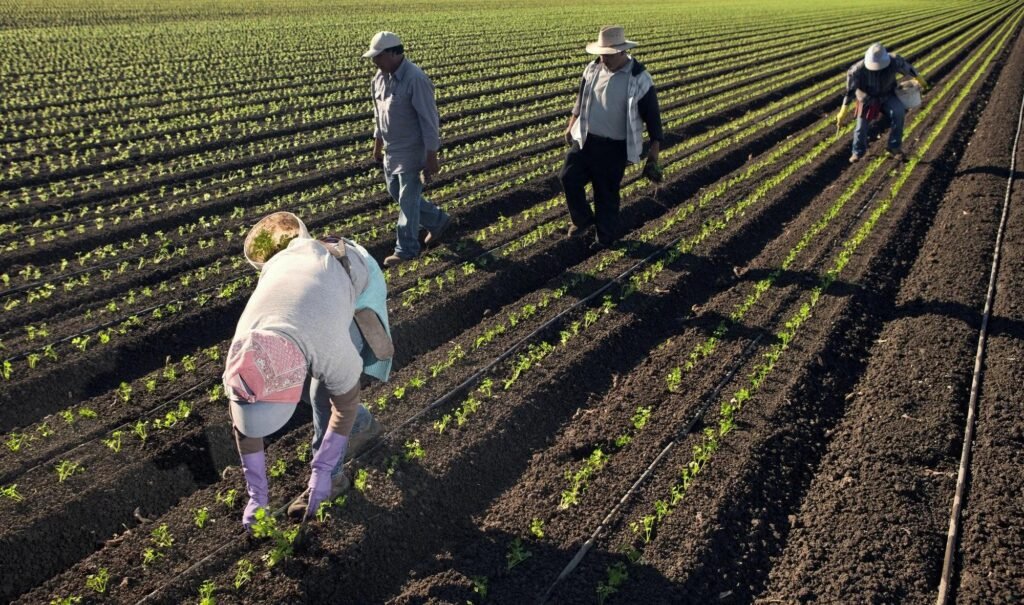
Farming in Canada is physically demanding, labor-intensive, and requires working outdoors across varying seasonal weather shifts. Daily duties generally depend on the type of farm you join:
- Crop & Harvest Care: Planting, maintaining, irrigating, and harvesting fruits, vegetables, greenhouse products, and grains.
- Livestock Care: Feeding animals, sanitizing barns or stables, and monitoring the general health of cattle, poultry, or dairy livestock.
- Sorting & Packing: Grading harvested produce to ensure it meets strict quality standards before shipping to market.
Standard 2026 Employment Benefits
When you sign a valid, sponsored contract with a Canadian agricultural employer, guidelines managed by Employment and Social Development Canada (ESDC) ensure you receive robust protections:
- No-Cost Visa Sponsorship: Employers bear the entire financial burden of applying for the LMIA. It is illegal to charge workers for a job offer.
- Subsidized or Free Housing: Employers must provide clean, adequate on-site or nearby housing. In 2026, employers must present a structural housing inspection report approved within the previous 8 months before an LMIA can be issued.
- Transportation Reimbursement: For seasonal workers, round-trip airfare costs are covered or reimbursed by the employer.
- Immediate Health Coverage: Access to provincial emergency medical insurance starting on your very first day on the job.
Farm Worker Salaries in Canada (2026 Estimates)
Wages for agricultural laborers align with Canadian standards and vary slightly by province and specific task complexity. As per 2026 SAWP and primary agricultural updates, baseline minimum wages across major growing hubs like Ontario sit at a minimum of $17.60 CAD per hour for standard commodities.
| Position Type | Average Hourly Wage Range | Estimated Monthly Earnings (40 hrs/week) |
|---|---|---|
| General Farm Worker / Harvester | $17.60 – $19.50 CAD | $2,816 – $3,120 CAD |
| Livestock Hand / Stable Cleaner | $18.50 – $22.00 CAD | $2,960 – $3,520 CAD |
| Specialized Worker (Mechanic / Operator) | $23.00 – $29.00 CAD | $3,680 – $4,640 CAD |
2026 Advertising Regulation: All Canadian agricultural employers must submit extensive, verifiable proof of a local 14-day advertising campaign within the 3 months prior to applying for an LMIA. This demonstrates they exhausted local recruitment efforts before hiring from abroad.
Step-by-Step Application Checklist for Foreign Workers
Follow this structured framework to apply safely for verified positions:
Step 1: Target Verified Job Channels
Do not search blindly on generic job boards. Target the official Canada Job Bank for Foreign Workers and filter explicitly by selecting employers who state they possess an approved or pending LMIA application.
Step 2: Prepare a Manual-Labor Focused Resume
Modify your CV to follow Canadian chronological formatting standards. Focus heavily on your physical stamina, ability to lift heavy loads (up to 50 lbs), any previous outdoor manual labor, or experience working with machinery, tools, and livestock.
Step 3: Secure Your Official Contract Documents
Once an employer extends a formal job offer, ensure they hand you signed copies of your Employment Agreement and the approved Positive LMIA document. You cannot apply for a visa without these files.
Step 4: Submit Your File to IRCC
File your online application for an Employer-Specific (Closed) Work Permit through the official Immigration, Refugees and Citizenship Canada (IRCC) portal. Pay the standard $155 CAD work permit processing fee and arrange your biometrics appointment promptly to avoid processing delays.
Does Farm Work Lead to Permanent Residency (PR) in Canada?
While agricultural work permits are temporary by design, the local Canadian experience you accumulate is highly valuable. International workers who complete their contracts can often parlay their experience into permanent residency through provincial pathways.
Many Provincial Nominee Programs (PNPs) manage dedicated semi-skilled streams for agriculture. If you hold valid status, possess a long-term job offer from your current farm employer, and can demonstrate basic English or French language proficiency (typically a minimum of CLB 4 or 5), you can apply for a provincial nomination certificate. This certificate bypasses competitive point systems, allowing you to lodge a direct application for permanent residency with IRCC.
Frequently Asked Questions
Can I apply for farm work in Canada if I don’t have experience?
Yes. Many entry-level harvesting and general crop picker positions do not require prior formal experience. Sponsoring employers provide on-site training, though physical stamina and a clean medical record are mandatory.
Do I need to take an IELTS exam for a Canadian farm work visa?
For the temporary work permit itself, a formal IELTS is not always strictly mandated by the employer if you can pass a basic conversational interview. However, if you plan to transition to Permanent Residency through a Provincial Nominee Program (PNP), you must provide an official language test score of at least CLB 4.
Is the housing provided by the farm owner free?
Under the Seasonal Agricultural Worker Program (SAWP), housing is typically provided with minimal, legally capped deductions from your pay. Under the General Agricultural Stream, housing must be provided by the employer and is heavily subsidized to remain highly affordable.
Can I change employers if I find a different farm job in Canada?
No. Farm work visas issued under these streams are “Employer-Specific Closed Work Permits”. You are legally permitted to work only for the specific employer listed on your visa document. To change jobs, your new employer must secure a fresh LMIA and you must update your work permit.
What is the maximum age limit to apply for agricultural sponsorship?
There is no official maximum age limit set by IRCC or ESDC for the Temporary Foreign Worker Program. As long as you are over 18 years old and pass the mandatory immigration medical examination showing you are physically capable of performing intensive manual labor, you are eligible to apply.
![Agricultural Engineer Jobs in USA: Visa Sponsorship [2026]](https://jobzria.com/wp-content/uploads/2026/07/Gemini_Generated_Image_vvnq20vvnq20vvnq-768x419.png)
![Accountant Jobs in the USA with Visa Sponsorship [2026]](https://jobzria.com/wp-content/uploads/2026/07/Gemini_Generated_Image_s3zg6ms3zg6ms3zg-1-768x419.png)